John R. Soper, Jr, LPC is a professional counselor who specializes in the treatment of emotional, personal, and mental disorders and distress by means of psychological guidance from a trained professional.
Health Provider in Millstone Red Bank

We provide a wide range of information about support, resources, and services for the residents of Monmouth County, NJ. It is a collaboration between Monmouth ACTS and MonmouthCares, Inc. Brochures: English - Spanish - B&W
Residents can find specific recreational activities, health providers, support groups, and events in your area. If you are a resident of Monmouth County, NJ, please subscribe to our Weekly Events and News.
Health Providers and Community Organizations are able to list their community and health resources, hotlines, support groups, and events. Do you provide services in Monmouth County?
We can all help prevent suicide. The 988 Lifeline provides 24/7, free and confidential support for people in distress, prevention and crisis resources for you or your loved ones, and best practices for professionals in the United States. (Servicios En Español)
The Parent /Caregiver Toolkit, developed by the Society for the Prevention of Teen Suicide, consolidates a comprehensive array of local, national, and online resources, providing a one-stop destination for families seeking guidance and assistance. It is not just a tool, it's a compassionate guide that fosters understanding, facilitates communication, and ensures vital information is readily available to those who need it. Register/Login (access code: Monmouth County)
Your child must be determined eligible for Developmental Disability Services by CSOC and registered for a Qualified Camp prior to submitting the application for CSOC Summer Camp Services
Monmouth ACTS (Assisting Community Through Services) is an innovative public-private partnership (the first of its kind in New Jersey!) that brings together Monmouth County government employees and their counterparts in the private/nonprofit sector to find effective ways to meet today’s human service needs. This group works together to streamline and improve access to services in mental health, addiction, aging, housing, childcare, transportation, and much more. These key issues were identified by a comprehensive Human Services Needs Assessment. Working groups or "Hubs" were created to address those needs. For updates Click here.
Emergency Rescue Mortgage Assistance program (ERMA) was developed to assist eligible NJ homeowners who have been financially affected by COVID-19. The program will help homeowners bring their mortgages and other housing-related expenses current. Apply here. Call 855-647-7700 or visit the website.
This new initiative places representatives from the Monmouth County Department of Human Services (DHS) directly in the offices of local nonprofit organizations and agencies that are spread across the County – meaning help is always nearby. It allows Monmouth County residents the ability to access support and assistance more easily from DSS employees and learn about programs and County resources, as well as complete applications for SNAP, NJ Family Care, cash assistance programs and more.
For more information on “Monmouth ACTS in My Community,” call 732-683-2102, email [email protected] or visit https://monmouthacts.org/in-my-community/.
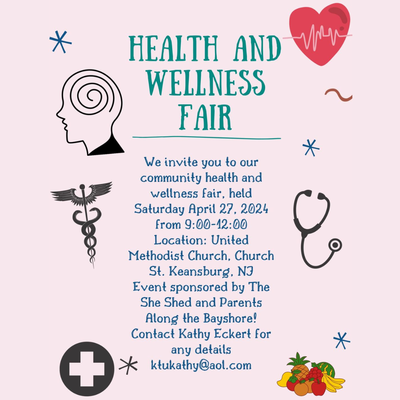
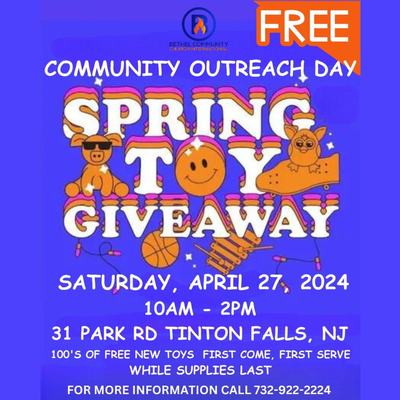
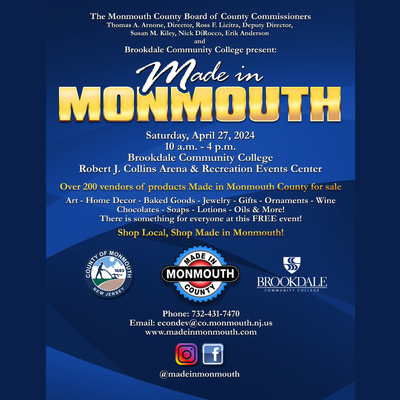


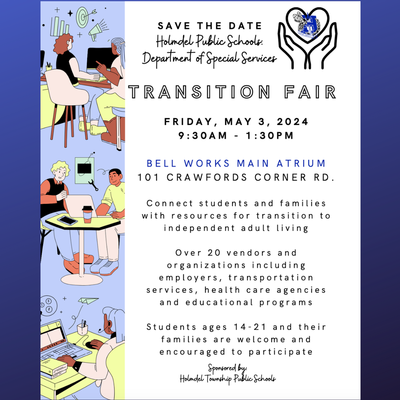
The NJ I/DD Youth Transition Conference invites proposals for presentations, workshops, and panel discussions centered around the theme "Navigating the Hero's Journey." Presenters are encouraged to submit proposals by May 17th, 2024. Monmouth County has been awarded federal funds made available through the U.S. Department of Homeland Security (DHS)/Federal Emergency Management Agency under the Emergency Food and Shelter National Board Program. The application deadline is Friday, May 3, 2024, by 4:00 pm. The Division of Child and Youth Services is currently seeking proposals to provide a variety of behavioral health services throughout Monmouth County. Interested agencies/business entities must download the project’s specifications from the Monmouth County website here: CC-17-2024 Maternal and Infant Health Innovation Authority targets preventable loss of life in childbirth, especially among Black women and newborns.
All news
Latest News
April 22, 2024
NJ I/DD Youth Transition Conference, "Navigating the Hero's Journey" Call for Proposals
April 17, 2024
Monmouth County Emergency Food and Shelter Program – Phase 41 Funding Available
April 2, 2024
Monmouth County Division of Child and Youth Services - Request for Proposals #CC-17-2024
March 28, 2024
Agency tasked with saving lives of mothers, babies is launched